
Welcome Everyone! I’m Sol and today we will be talking how to “steal” ideas from anywhere and use them in Dungeons and Dragons or your favorite roleplaying game! So, grab your favorite set of thieves’ tools and meet me below.
I am a strong advocate that you should be stealing more ideas from everywhere. We are surrounded by a veritable sea of ideas, from the books we read, the shows we watch, the music we listen to…even commercials! So, if something is clever and interesting enough to grab your attention and get you engaged and excited, you should really consider making it your own. You do have good taste after all, right?
“But Sol, that’s boring and uninspired and maybe even unethical!” I hear you say.
Tweet
Well, there is an art to it, to be sure. Let us style ourselves as sophisticated criminals performing a heist, rather than some base ruffians mugging someone on the street. A properly executed idea theft is elegant, classy, and leaves even your ‘victims’ shaking their head in admiration. Hardly boring or uninspired!
As for the ethics question? We all are doing this on some level at this point. Truly novel ideas are very rare and many things we love and enjoy are ‘stolen’ changed retellings of old classics. Look no further than the line between Gilgamesh and the Avengers for an example. Yes, it’s true, you can’t just copy and paste the exact same story, lines, names, and all with a hope of it being taken seriously, that doesn’t stop you from making it your own once you have your hands on it however!
The Smash and Grab
Running across a ripe idea in the wild that you can’t help but grab immediately happens frequently. The most common way to steal an idea is to sneak up on it, bonk it on the head, and drag it back to your lair. Thefts of this sort are normally small ones, things you can run off with, and things that are relatively harmless. A name, an accent, a description, maybe a quick scene. Low effort, low reward, and the world is full of them. You can generally get away with this unless what you are stealing is particularly unique and/or well known. If you bring a high profile shiny new idea to the table and others recognize it, expect to catch heat.
To beat that heat you need to do at least one of two things; change the idea or wait. Right now, if you named a character Steve Rogers, Bruce Banner or Tony Stark you’re going to get some serious attention, but if you were to wait for those names to become less popular then you might get away with it. What that means is sometimes your theft and your payoff must be farther apart than you would like, which brings us to the other option. Change what you’ve stolen. Take time to think about the elements that you like about what you’ve gotten your hands on and then see what can be changed about the idea. Maybe you think Tony Stark is a cool name because Tony is a casual nickname contrasted by ‘Stark’ which has a lot of interesting emotional weight. Taking that same idea, you might name a character Rebecca ‘Becky’ Ire.
And just like that, you’ve mugged The Mouse.
The Heist
To steal something complicated and high profile, something elaborate and alluring, takes quite a bit more. You must approach the heist with a plan, with skills, with understanding, and very often with help. No good heist caper is done solo, and who am I to argue with the classics. These sorts of idea stealing are much harder to pull off, but the payoffs in both the long and short term can be very rewarding. These ideas are big, these are stories, narrative beats, themes and motifs, whole campaigns can be built around these.
As with any heist, the first step is understanding your mark. What are you stealing, why are you stealing it, what makes it unique, what ‘protects’ it, and what are you going to be able to get for it once you have stolen it? Think hard about what you are trying to take a bigger idea from and figure out why it works and what about it made it captivate you. Detail everything you know about the idea and pick it apart. If it’s a favorite book or anime for example watch it with a notepad near by and jot down the scenes that made you gasp, then work out what lead to those moments.
The second step is to determine what protects that idea you are stealing. In the case of casual gaming what you are worried about is less often trademark/copywrite material and more about distinctive notes. A sword in a stone which determines who becomes king next is a pretty apparent theft, as is having a dragon invade a dwarven kingdom and wallow in their riches. These obvious signposts are going to be alarms that go off for anyone who sees you with your newly stolen idea.
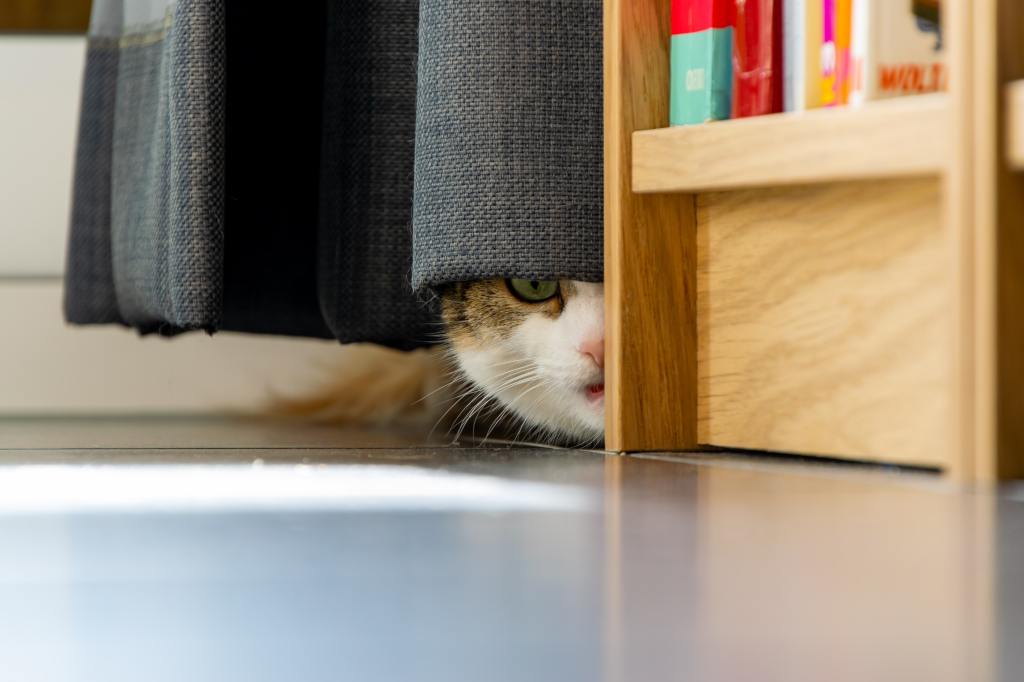
Now that you understand what you want to steal and what protects it, you must come up with a plan to make it your own. File off serial numbers, disarm those alarms, dig into the uniqueness of the idea, and make those key components yours. Excalibur, sword in the stone? Fine, now it’s a druid’s staff in a grove on an island, she who touches it (and is not consumed by the Stryx that perches above it) is the reborn elder of the fae druids, and all the fae of the forest will kneel before her.
All good heists and capers require a team though, as I said above. So get other people onboard with this heist. If you are the one in charge of the game, talk to your players about being inspired by and stealing from a piece of media you ALL love. They will distract the guards and baffle the alarms for you and allow you to get away with a great deal more than otherwise. If you are a player planning to heist a character concept, say a moody monster slayer, then also recruit your group. Tell them what makes this idea compelling to you to steal, and how you are going to change it so that it can get past the investigators.
In the end, steal with respect. Respect the media you are pulling from, the talent to create and change ideas to make them great is valuable and rare. If you do take inspiration from somewhere, give credit where credit is due and where possible pay the artists responsible for the content. I don’t endorse real theft here, to be clear. Also, treat your fellow crooks with respect, they are probably as canny and clever as you are, so don’t try to steal from them or pull one over on them. Bring them in on the heist, make them part of the caper, and share the spoils.
If you enjoyed this article and found it helpful, please support me by joining my ko-fi. Supporters get credit in my games, previews on upcoming work, and monthly retrospectives. You can also support me directly by buying the games I have developed on itch as well.


Leave a Reply