

Adventure—the word evokes feelings of excitement, thoughts of drama and danger, and images of travel. Although most TTRPGs dub you an adventurer, it’s rare to have an in-game experience that feels like you’re on a grand voyage. Very few systems are built to support exploration, and even fewer do it well.
Take an exciting travel scene from a movie, break it down using a rule book, and you’ll generally end up with a couple survival rolls and some extra travel time.
That’s not an adventure. That’s a slog.
In contrast, take a look at this scene in The Fellowship of the Ring.
The party is ascending Caradhras, huddling together for warmth and stability on the snowy pass. The wizard battle-from-afar was technically inconsequential to the perils that befell the Fellowship. Driving, blinding snow, strong winds howling across narrow ledges, and falling rock are natural possibilities on high mountain slopes.
I know from experience.
Backpacking has afforded me a unique perspective on how traveling on foot feels. After scaling thousands of feet in elevation to a summit, I’ve had the pleasure of looking out over miles of seemingly untouched landscape. I’ve also had the stark reminder of my mortality leap out at me as I lost my footing on an icy ledge.

Despite my love of trekking and frequent trips, I’ll be the first to tell you that most of the experience is actually a slog.
However, it’s more than just putting one foot in front of the other.
Walking through a warm, grassy field? An experienced traveler will be on the lookout for snakes and mud pits. The heart of a forest presents its own set of troubles, with spiderwebs crisscrossing trees at an obnoxious frequency. Heavy rain or a recent fire can bring down an alarming number of branches, as well. (If that doesn’t sound scary, just wait until one falls nearby, silent as death until it lands.) Once you get into rocky, elevated terrain, stable footing becomes imperative and perilously uncommon.
Throw bad weather, ill-suited gear, or an unprepared traveler onto any terrain, and you’ve got yourself a recipe for misery.
Now, look at the distances involved.
The real world and most fantasy worlds agree on the average walking speed being between 20 and 30 miles each day. 30 miles assumes around 10 hours spent on the move.
Realistically, the Sorcerer who spent most of his life in a library isn’t going to keep up with the nomadic Fighter. That Fighter will struggle after just an hour or so wearing full plate on a desert trek.
Thankfully, we don’t generally play games for realism.
The fantasy is that every character can walk, run, swim, and climb like a hero. If a GM asks a player to roll to see if they tied a knot in their climbing harness correctly, the GM is being a jerk. Five encounters with grass snakes, one muddy boot, and a rogue with a blister on his heel do not turn five days of travel into an epic journey.
That doesn’t mean that realistic setbacks shouldn’t be introduced. Blending fantastical heroics with a dash of true-to-life difficulty can breathe life into an otherwise dull part of play.
The trick is not to overdo it.
When you’re far from civilization, difficulties boil down into one of two categories:
- Inconveniences
- Threats
Threats are generally obvious and immediate; a bear is snuffling around nearby, brigands are hiding in the trees, or a twister is sweeping towards the party. Subtle and delayed threats can be introduced with care, including environmental effects like a blizzard (hypothermia) or heatwave (heat exhaustion and dehydration). Particularly challenging terrain may be a threat, too, if taking near-lethal damage could result from a poor roll.
Inconveniences, on the other hand, can be as varied as the topography. Biting flies, muddy roads, chaffing, shoddy maps, and difficult terrain are all nuisances that drain time and willpower.
Your table should never have to roll in regards to an inconvenience.
Tweet
To tailor your exploration scenes to your party, add more inconveniences for more realism and more threats for more fantasy. The most balanced journeys will have one to two compounding inconveniences (that may build into threats on their own if left to fester) and one to two threats.
Countering the threats and inconveniences should be a measure of surreal beauty.
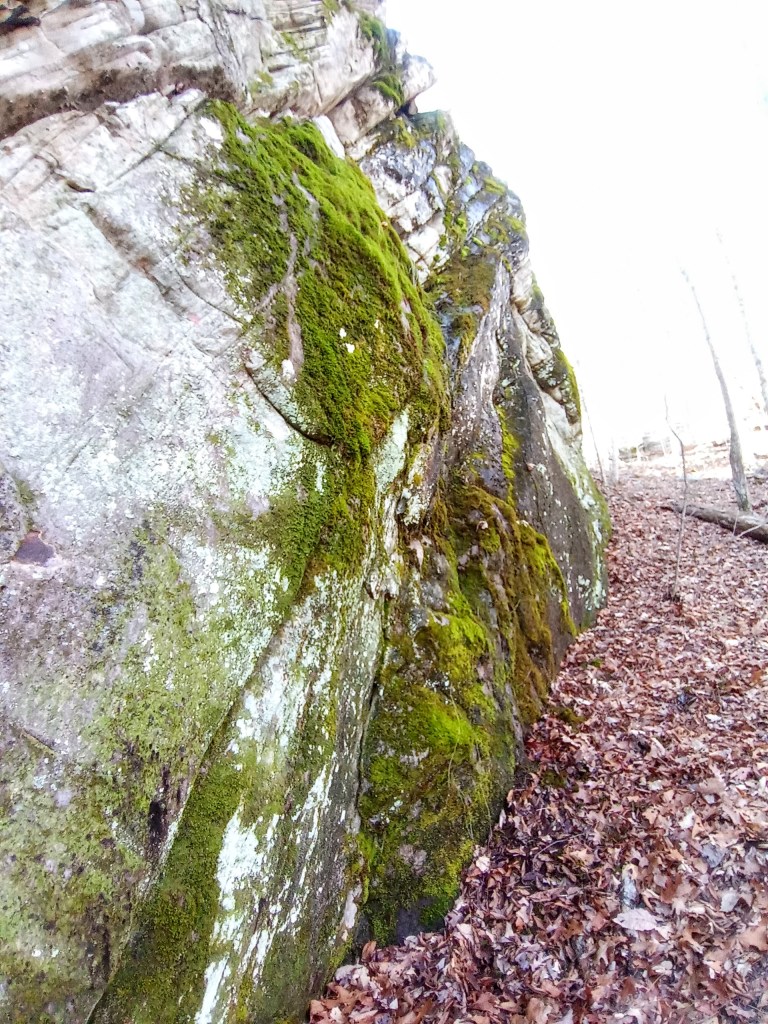
Hiking up a mountain sucks. Standing at its peak is an experience of wonder. Summoning feelings reminiscent of that awe in-game is challenging but doable.
In addition to describing the terrain to your table, try adding an experience in between events. Single out a random player to notice how the sun is shimmering off the snow-capped peak across the valley rather than telling the whole group. Offhandedly mention to a different player how the smell of the air carries a scent they’ve never encountered; clean like spruce but warm like cinnamon.
Personalize it. Make it real.
On a final note, if epic journeys can be presented to the party without combat, why would filmmakers introduce Saruman as a direct opponent in the Caradhras scene?
Tolkien originally wrote the mountain itself awakening, furious at the audacity of the trespassers. That literal conflict between humanoid and nature seems closer to the spirit of travel, of adventure.
The cinematic decision played off how we associate excitement with confrontation.
You can employ this at your table, too.
Structure inconveniences, exhilarating experiences, and some threats into “combat rounds”. By imposing the template most associated with action, you automatically instill the moment with weight and capture your players’ attention. Try to match your tone to what you would use for any other encounter. Push the pacing along to keep the scene from growing stagnant and keep the spotlight moving.
If you enjoyed this article or found any of these tips helpful, please consider supporting Sol by subscribing on ko-fi or checking out the games he’s developed on itch.
To connect with me directly, reach out via LinkedIn, Twitter, or comment below! I want hear how you’ve integrated (or avoided) exploration at your table, how your gaming methods differ from mine, and your thoughts on TTRPGs and real-life adventures!


Leave a Reply